Description
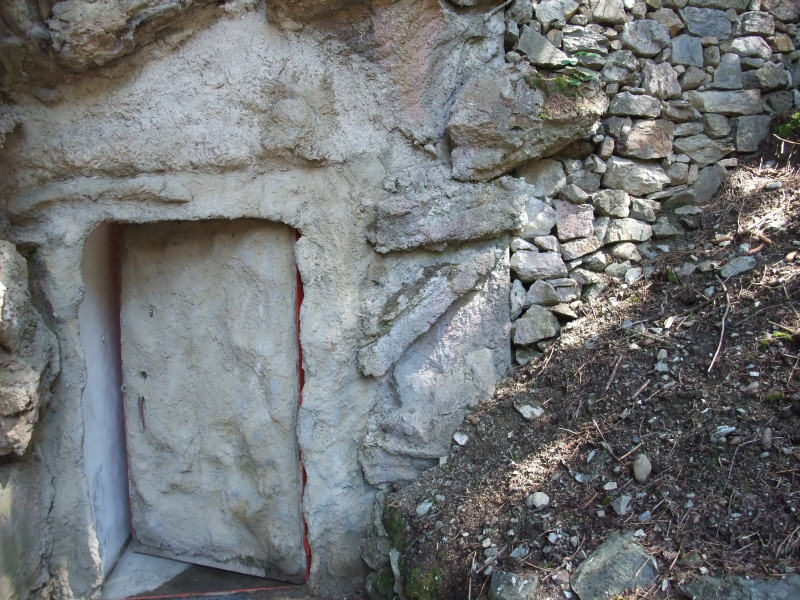
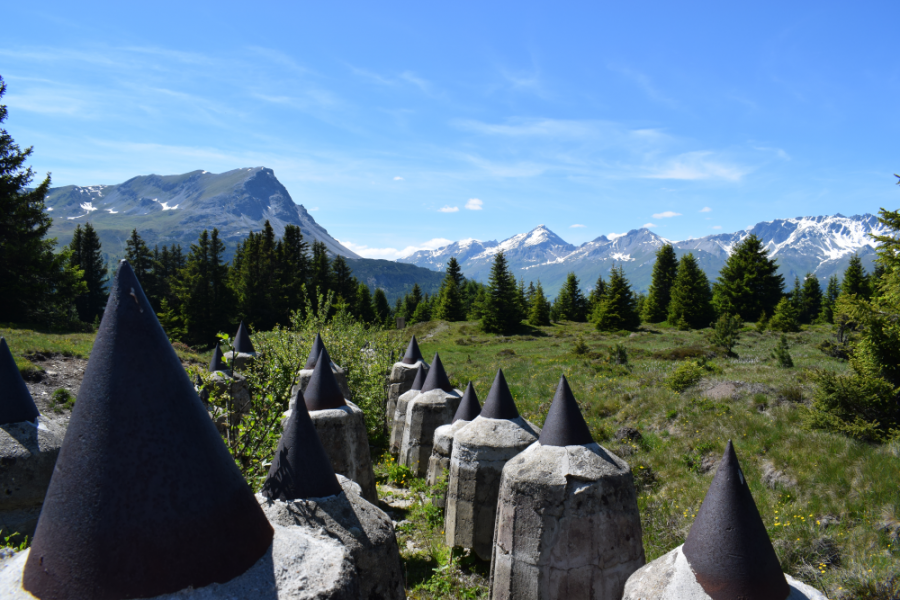
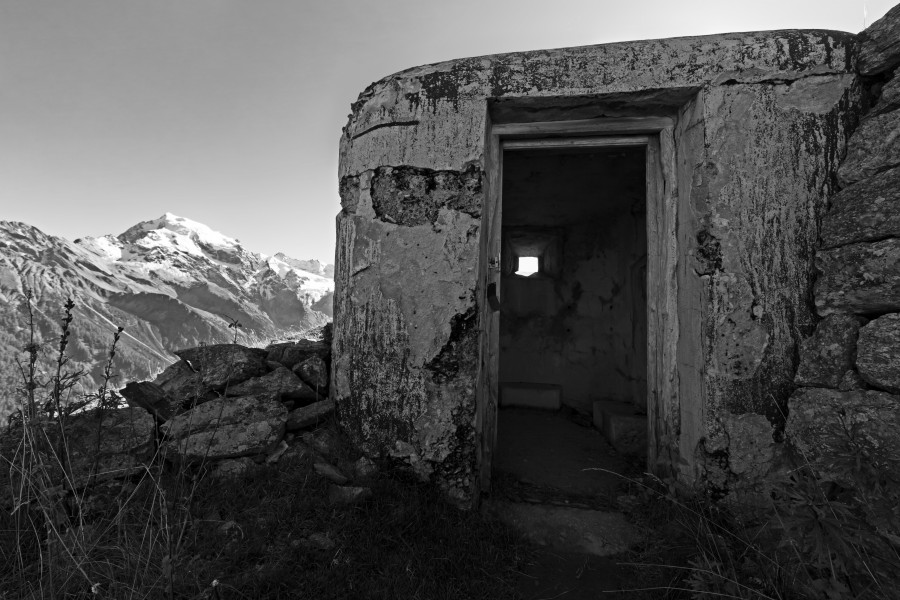
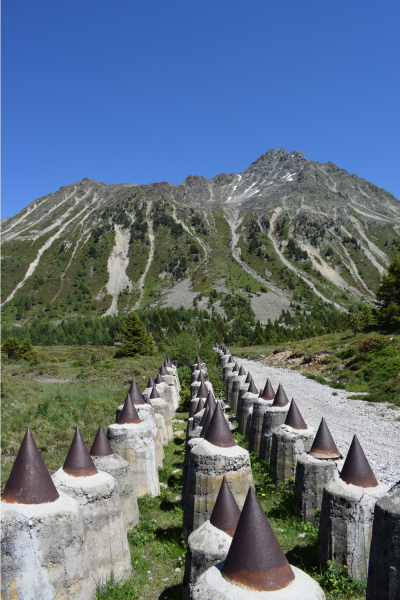
The historic border fortifications at the Reschen Pass, consisting of the Etschquelle Bunker and the Plamort tank barrier, are a popular destination for history buffs.
This “Alpine Wall,” which looks like a bizarre work of art, can be rediscovered and explored on foot today. The Etschquelle Bunker No. 20 and the Plamort tank barrier are located in a high moor designated as a natural monument above the village of Reschen.
Historical Information
To protect against a Hitler invasion, an extensive defensive line consisting of tank barriers and bunker complexes was constructed along the Reschen border in the late 1930s. Germany’s policy of expansion to the south, which reached its peak with the annexation of Austria on March 13, 1938, brought Italy and Germany into direct contact.
The disagreement between the two states regarding South Tyrol and the fluctuating fascist policy—which at times favored Germany, then adopted a wait-and-see stance, and at other times remained neutral—prompted the Duce to issue an order in November 1939 to begin extensive fortification work along the northern border. By the end of January 1940, South Tyrol had an initial defense system comprising 66 installations, which still needed to be completed or expanded. Construction of this Alpine Wall proceeded slowly throughout 1941 until the spring of 1942. In October 1942, the German Reich’s repeated protests were heeded, and as of October 15, 1942, all construction work was immediately halted.
How to get there
Resia lies on the northern shore of Lake Resia in the Venosta Valley, just under 50 kilometers south of Landeck (Tyrol). It is about 1.2 kilometers on foot from the center of the village to the defensive fortress at the source of the Etsch River.